
Rental scammers have gotten creative over the years. But if you boil it down, the core problem behind every instance of rental fraud is impersonation.
So preventing and mitigating rental scams is all about cutting off the scammer’s ability to:
- Hijack listings
- Deceive renters into believing they’re legitimate
- Exploit access to physical properties if they do trick someone

Part 1: Make Your Listings Harder to Steal and Reuse
Unfortunately, major listing sites like Zillow, Realtor.com, and Apartments.com offer minimal proactive scam protection. Your main recourse on those sites is to monitor and report fraudulent listings. What’s more effective, though, is to make it more difficult for scammers to pass off your listings as their own. Simple as it sounds, watermarking and consistent branding go a long way.
Data shows that strong watermarking reduces Fraudulent Activity by up to 50% without negatively affecting rental demand. Consistent branding is harder to measure, but the more consistent your listing descriptions and details are, the easier it is to spot the fake ones.
Part 2: Prevent Prospects from Being Tricked by Duplicates
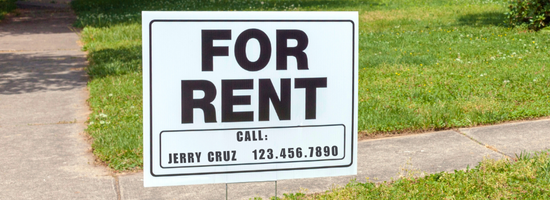
You can’t stop every prospective renter from being duped, at least not initially. But you can put failsafes in place, like signage at your property and/or in the unit with your company details and contact information. That way, if a prospect is scammed into a showing, they might realize what’s happened before they pay a fee, make a deposit under false pretenses, or worse, start moving in.
You can also mount another line of defense by building anti-fraud messaging into your leasing process. That could mean including reminders in confirmation and follow-up emails and texts that clearly state your company is exclusively responsible for leasing the home.
The idea here is to educate renters on what to expect from your process so they can spot fake interactions.
Part 3: Mitigate Damage by Controlling Access
No one can prevent all rental scams, but if you control property access, you can mitigate a lot of damage. Without access to the property, a scammed prospective renter might lose a deposit or a fee. But they can’t move in and start paying rent to a scammer, which is the ultimate disaster scenario.

Part 4: Spot and Respond Quickly to Rental Scams
Quick responses to scams contain the immediate damage, but they may also prevent future fraud attempts. Remember, scammers are out for easy targets, so the more prepared you seem, the more likely they’ll decide you’re not worth the trouble. Assume some scams will slip through and design your system for fast detection and containment. Technology is again your friend, but you still need to pair it with swift action and smart policies.
To spot and respond quickly:
- Create, compile, and continually update a blacklist for any suspected fraudsters.
- Regularly search sites like Craigslist and Facebook and flag fraudulent postings of your listings.
- If you believe the scammer is operating locally, notify your local chapters of NARPM, NAA, etc. to get the word out.
Prep for Now and the Future
Rental property scams aren’t going away. And with developments in artificial intelligence seemingly every week, the scams will get smarter. Professional Managers and Owners who prepare and layer their defenses can make themselves far less vulnerable. This isn’t about any one tool or policy, but the fundamentals are the same:
- Make your listings harder to steal and reuse.
- Prevent prospects from being tricked by duplicates.
- Mitigate damage by controlling access.
- Spot and respond quickly when scams slip through.
Whatever form future fraud takes, these principles help any property manager strengthen the security of their leasing processes whether they run guided tours, self-showings, or a hybrid.


Leave A Comment